
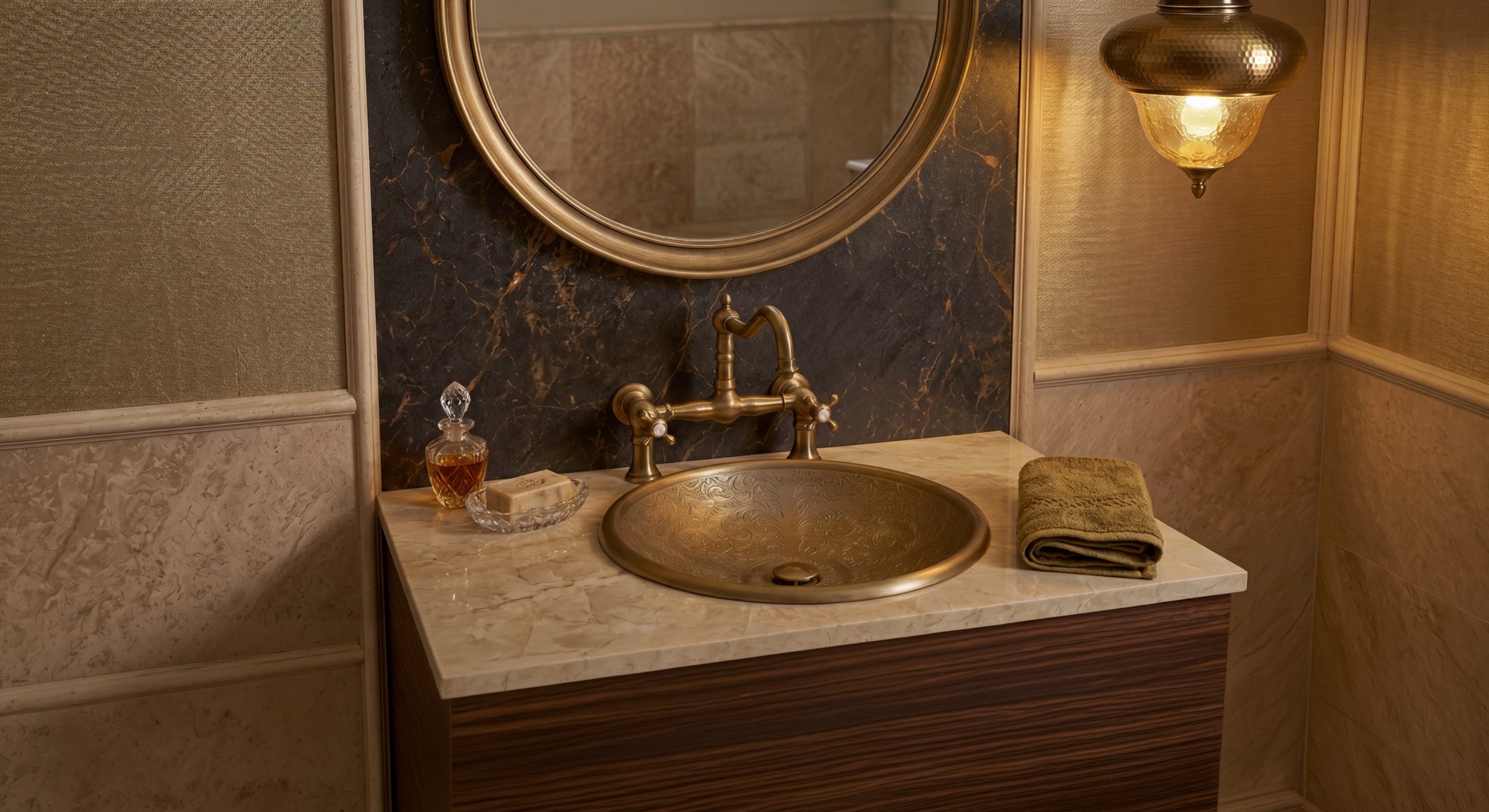
cast metal
foundry formed, artisan finished
Formed from molten metal. Finished by hand.
A Linkasink cast metal sink begins as raw material in a foundry. Metal is heated until liquid, poured into a precision mold, and allowed to cool and solidify into its final form. The result is a vessel with a density and permanence that no fabricated or stamped metal product can replicate.
Casting allows for levels of detail — relief patterns, organic curves, sculptural profiles — that are impossible to achieve through any other metalworking process. The surface is then worked by hand: ground, polished, brushed, or chemically treated to develop the finish and patina specified at the time of order.
These are not decorative objects dressed up as sinks. They are substantial, functional pieces that are heavy and built to develop character across decades of use. A cast bronze sink installed today will look more interesting in twenty years than it does on arrival.
The cast metal process
-
![]()
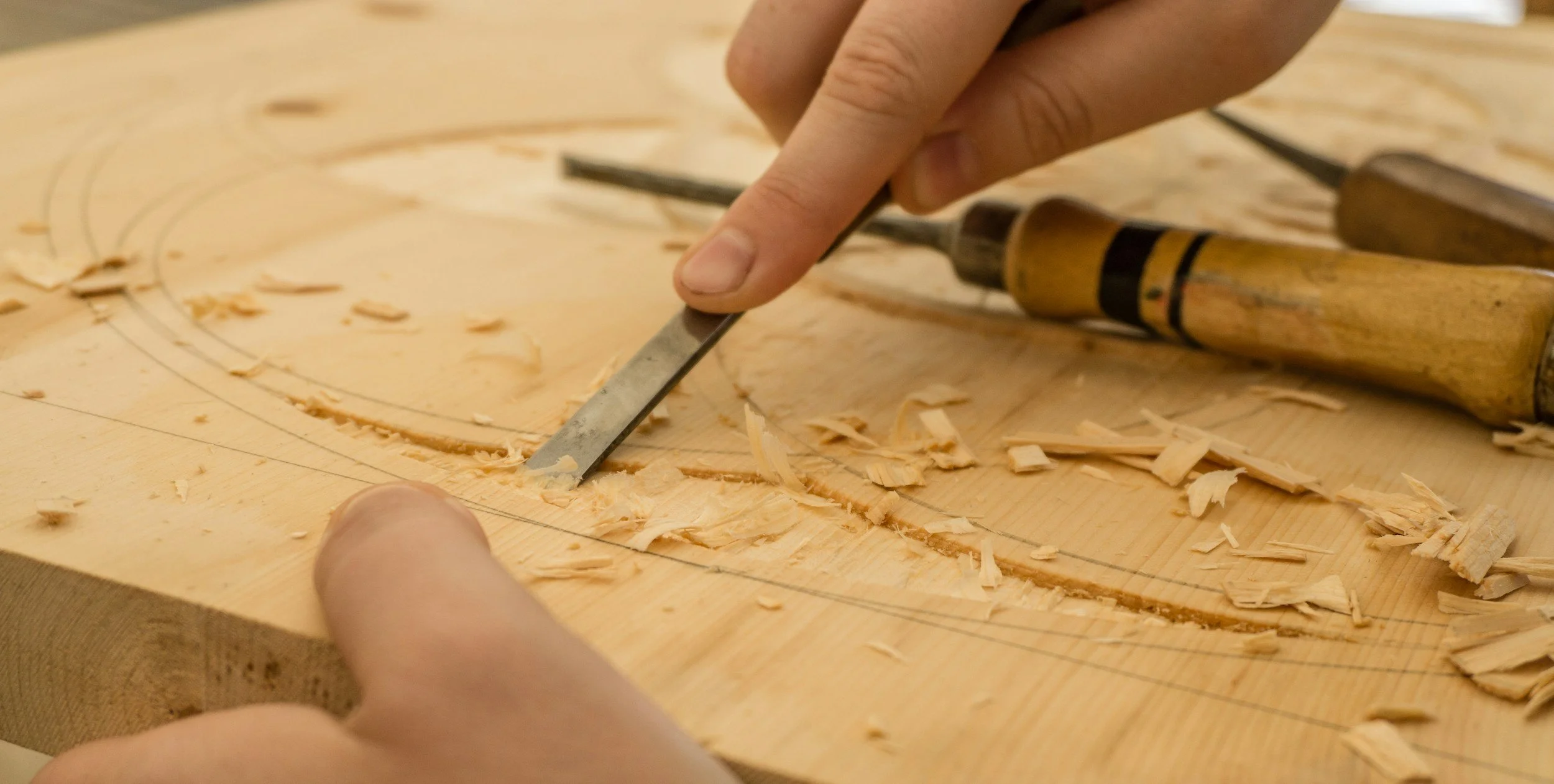
1. Mold Fabrication
Craftsmen use an old-world Turkish method to hand-carve the intricate decorative pattern into a two-piece wooden mold. This master pattern is the foundation of every sink — it defines every surface detail that will appear in the final casting.
-
![]()
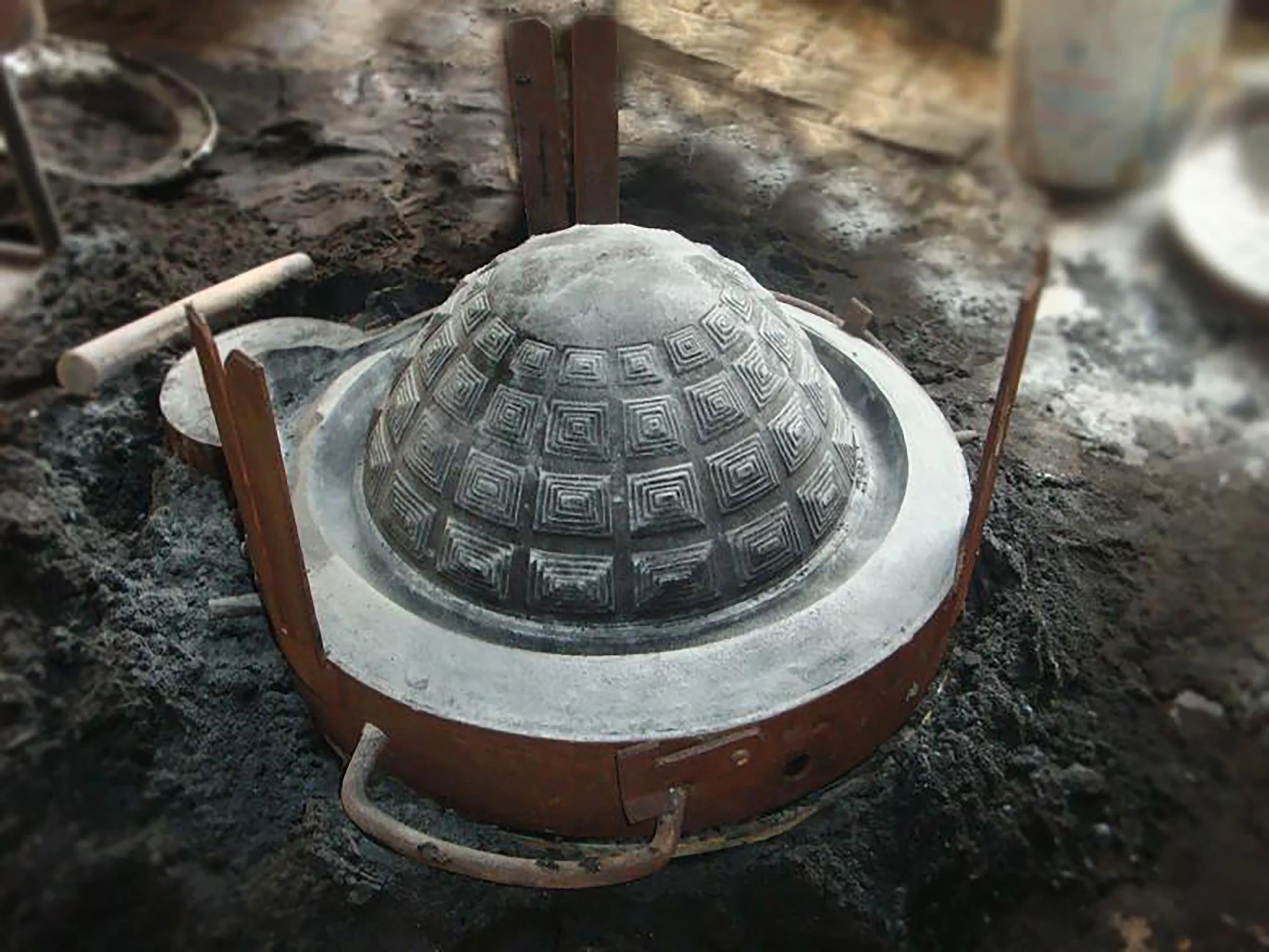
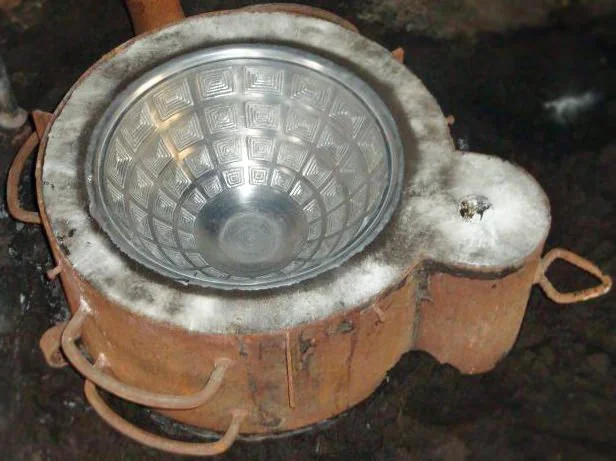
2. Sand casting
The carved wooden pattern is pressed into specially prepared molding sand — a mixture of sand, clay, and water — and packed firmly around it in two halves. When the pattern is removed, it leaves behind a precise cavity in the shape of the sink.
-
![]()
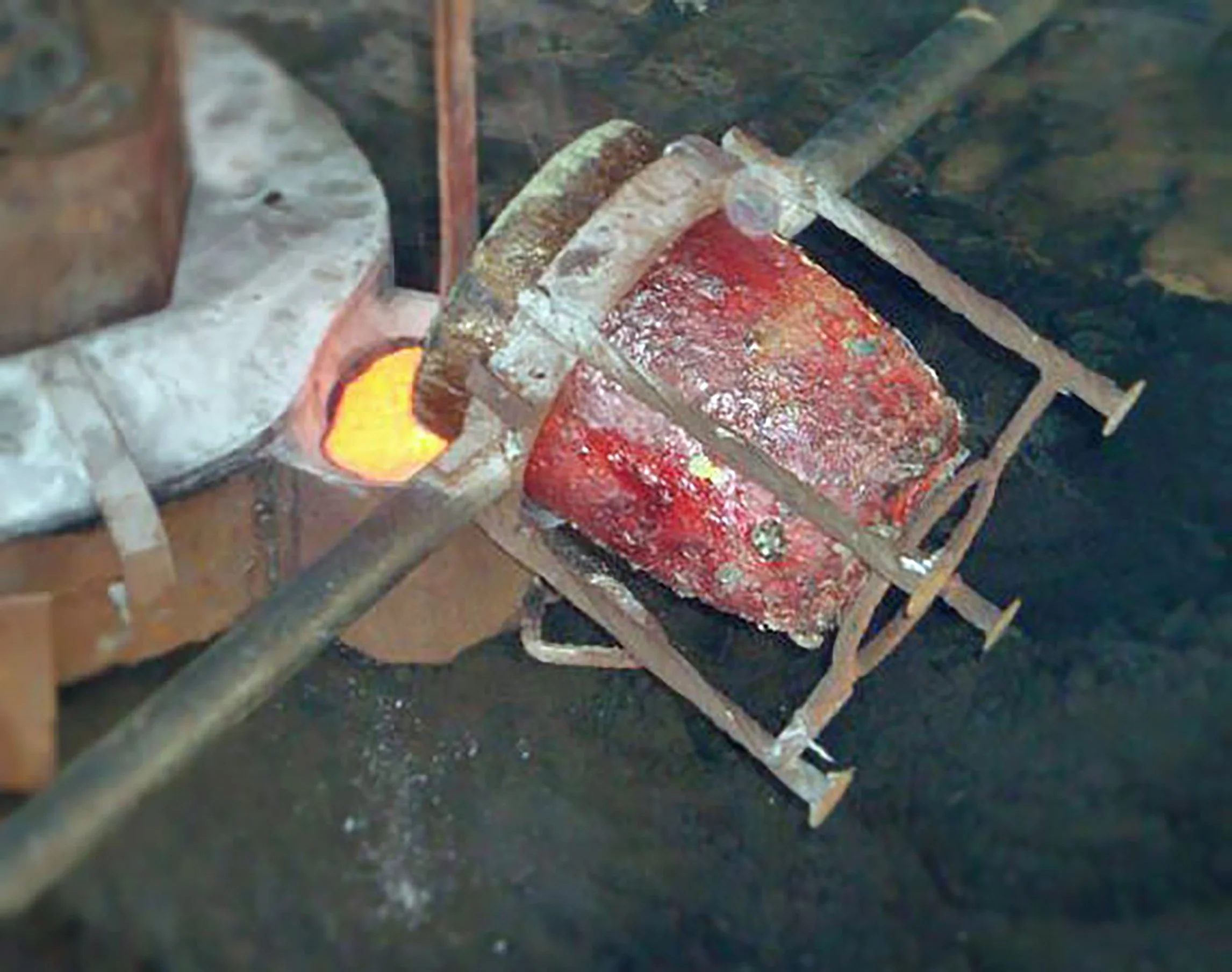
3. Bronze Pouring
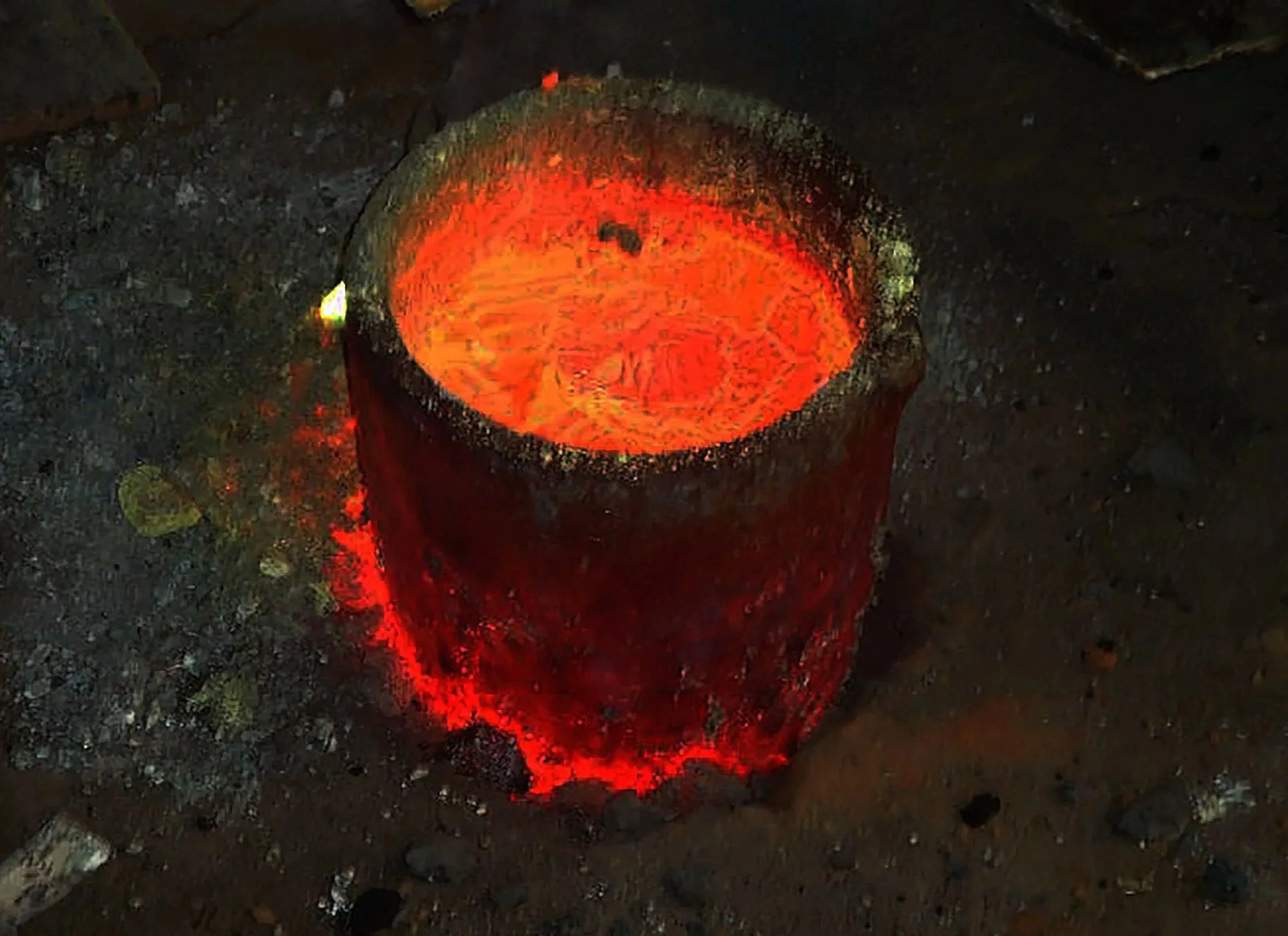
Molten bronze, heated to over 2,000°F, is poured into the sand cavity through a channel called a sprue hole. The bronze fills the mold and solidifies almost instantly. Once cooled, the sand mold is broken away and the sink is released.
-
![]()
4. Hand Chasing
Since the casting process compresses and obscures some of the mold's detail, artisans use specialized tools to hand chase any flat spots of the pattern back into the surface of the sink. This is a labor intensive process that can only be done by a skilled craftsman, which gives each piece its unique character.
-
![]()
5. Finishing and Patination
Depending on the specified finish, a series of chemical and mechanical surface treatments are applied to each sink to achieve its final appearance. Each finish will continue to evolve over time at its own pace, shaped entirely by the environment in which the sink is placed.
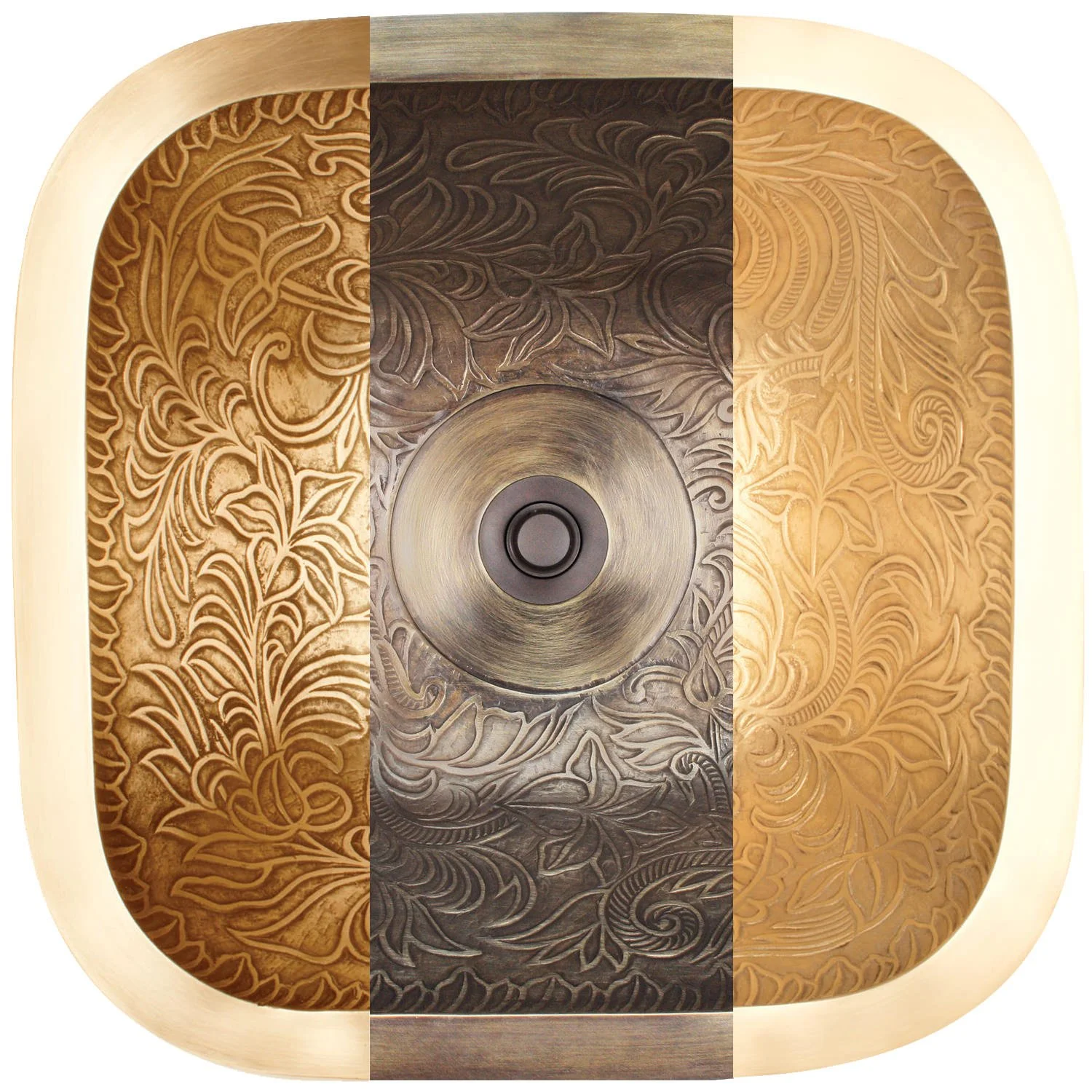
One Metal. Many Expressions.
The Material
Every Linkasink cast metal sink is made from bronze. That is not an arbitrary choice. Bronze is one of the oldest and most trusted casting metals in human history, and for good reason. It is dense enough to hold the fine detail of a sand mold, strong enough to withstand decades of daily use, and reactive enough to develop the kind of rich, evolving patina that makes a cast metal sink worth owning in the first place. It pours well, finishes beautifully, and only gets better with time. For a sink that is meant to be both functional and permanent, there is no better material.
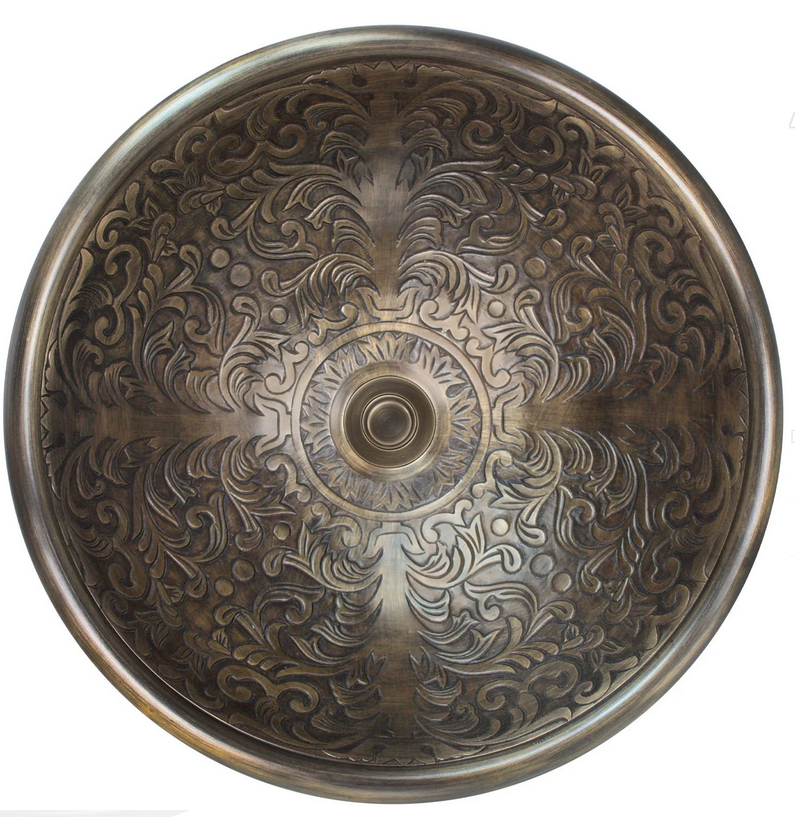
The Finishes
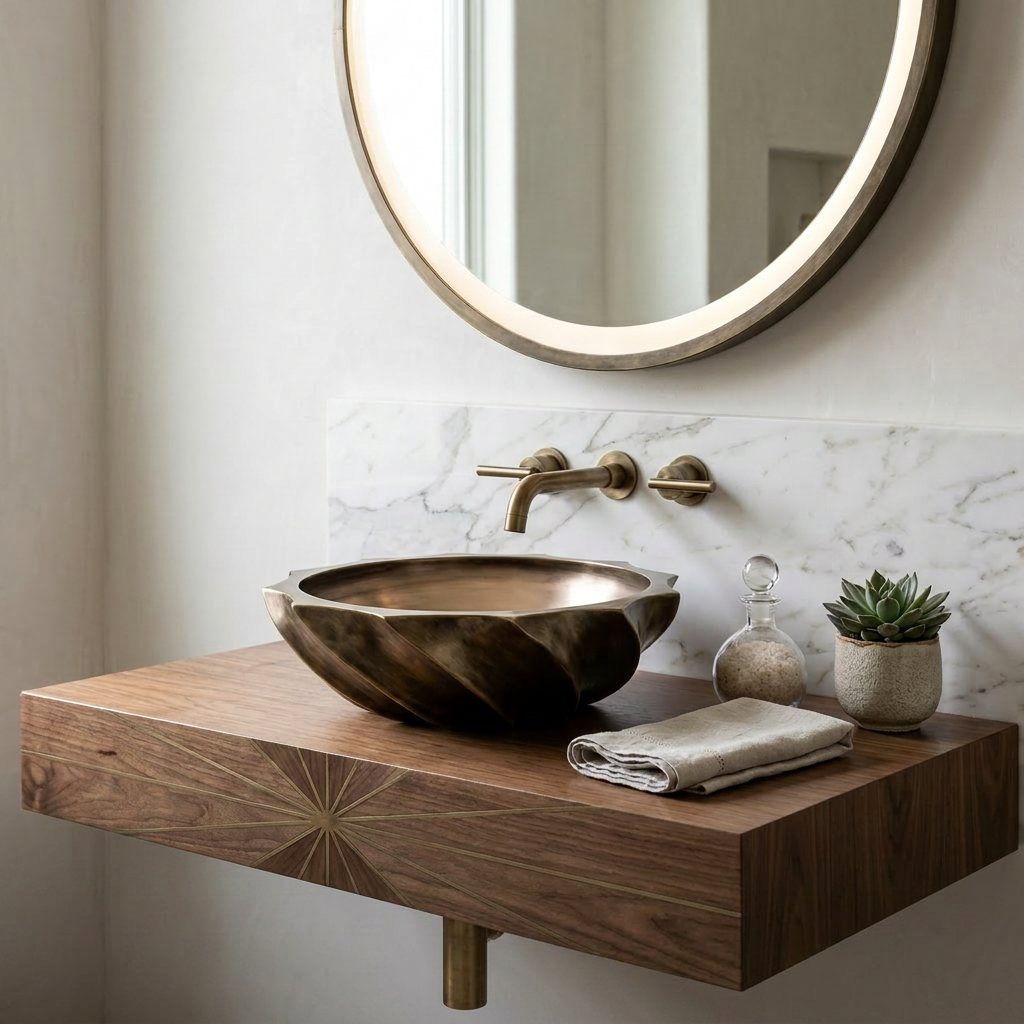
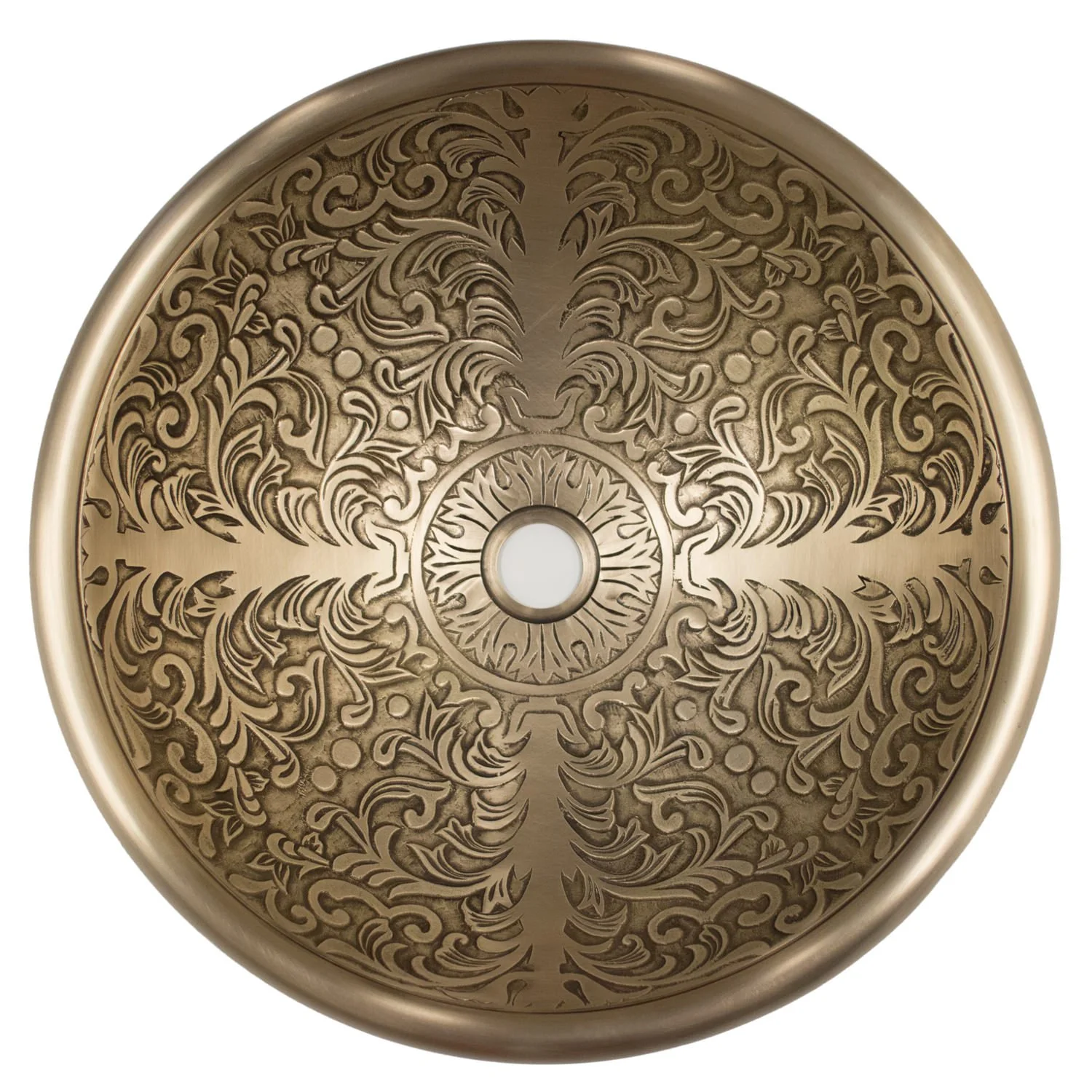
Antique Bronze Dark, rich, and steeped in character. Antique Bronze is a deeply patinated finish that gives the sink an aged, storied quality from day one. It suits traditional, transitional, and Old World interiors naturally — and will continue to deepen and evolve with use over time.
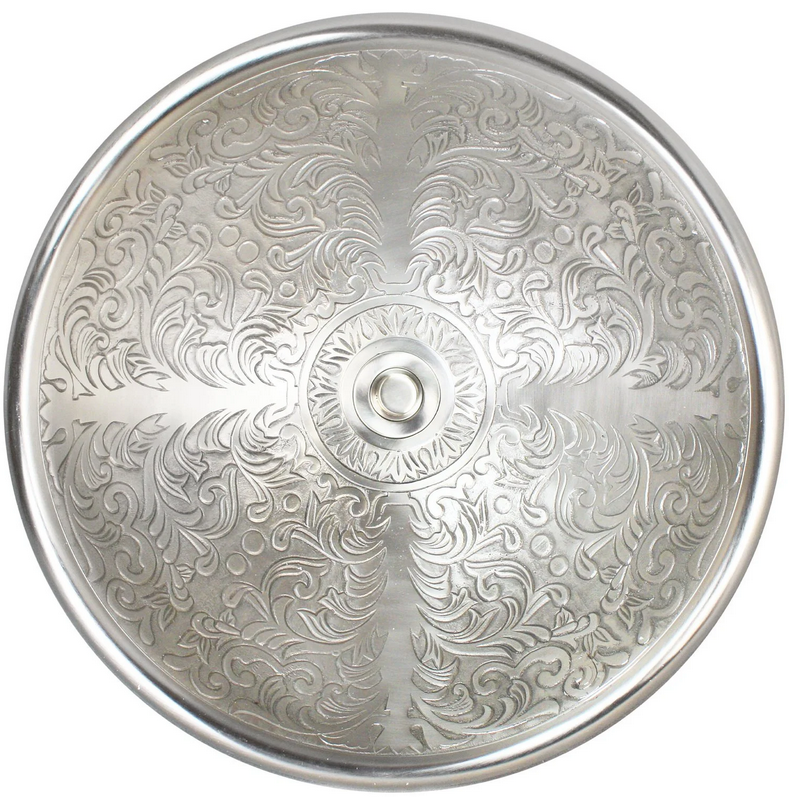
White Bronze Cool, muted, and quietly sophisticated. White Bronze is a softer alternative to polished nickel or chrome — it has a silvery, almost pewter-like quality that feels both timeless and contemporary. It pairs beautifully with cool stone, matte black hardware, and spaces that lean minimal and restrained.
Vintage Brass A warm, mid-toned finish that sits between new and fully patinated. Vintage Brass has the golden warmth of brass without the brightness of a polished surface — lived-in without being dark. Versatile enough to work in both traditional and contemporary spaces.
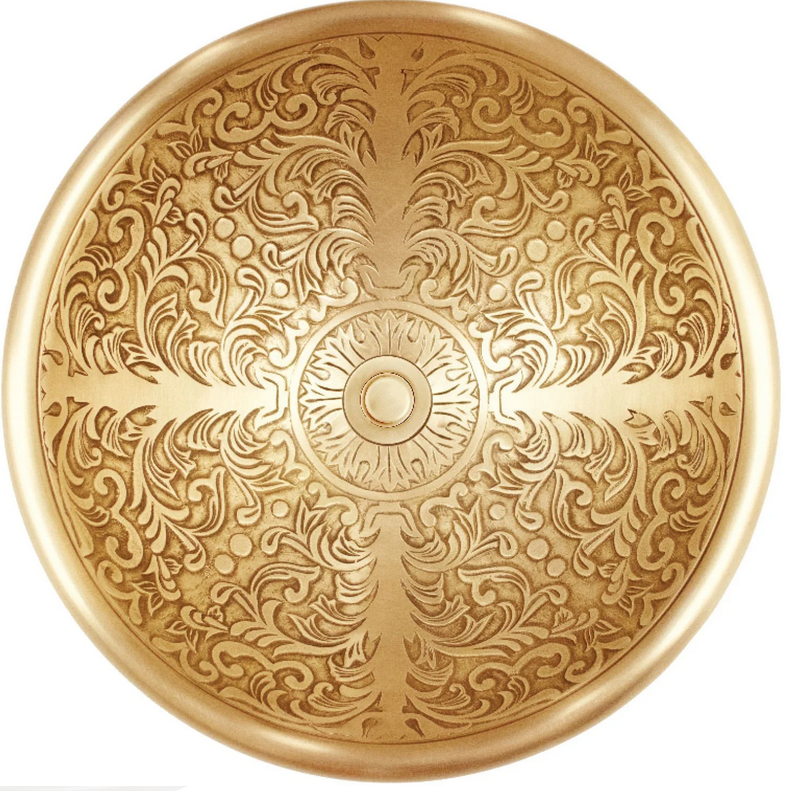
Satin Unlacquered Brass Warm and luminous with a soft, brushed quality. Because it is unlacquered, this finish is left open to its environment — it will develop a natural patina over time, slowly deepening and mellowing into something uniquely its own. For those who want a finish that actively ages with the space around it.
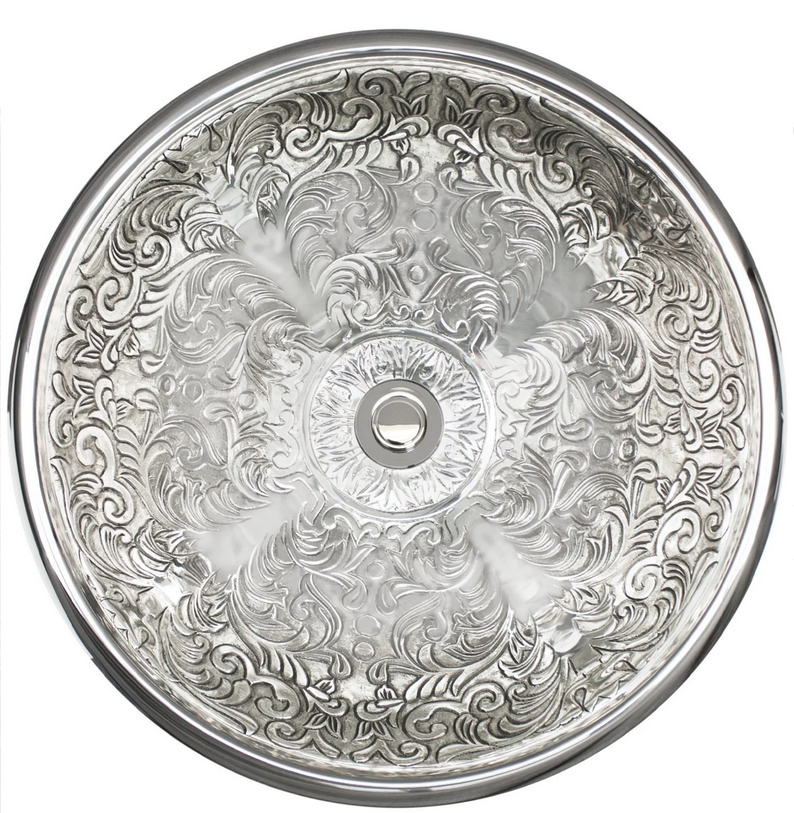
Polished White Bronze The same cool, silvery tone as White Bronze but brought to a high reflective shine. Polished White Bronze has a luminous, almost mirror-like quality that catches light and brings a sense of precision and refinement to any space. For interiors where every detail is considered.
evidence of the craft
Part of owning a Linkasink cast metal sink is understanding what you are actually looking at. The subtle variations in surface, the tool marks left by the craftsman, the way the finish shifts and deepens over time — these are not flaws to be overlooked. They are the things that separate a handmade object from a manufactured one, and they are precisely what makes a cast metal sink worth owning. Here is what to look for.
the makers mark
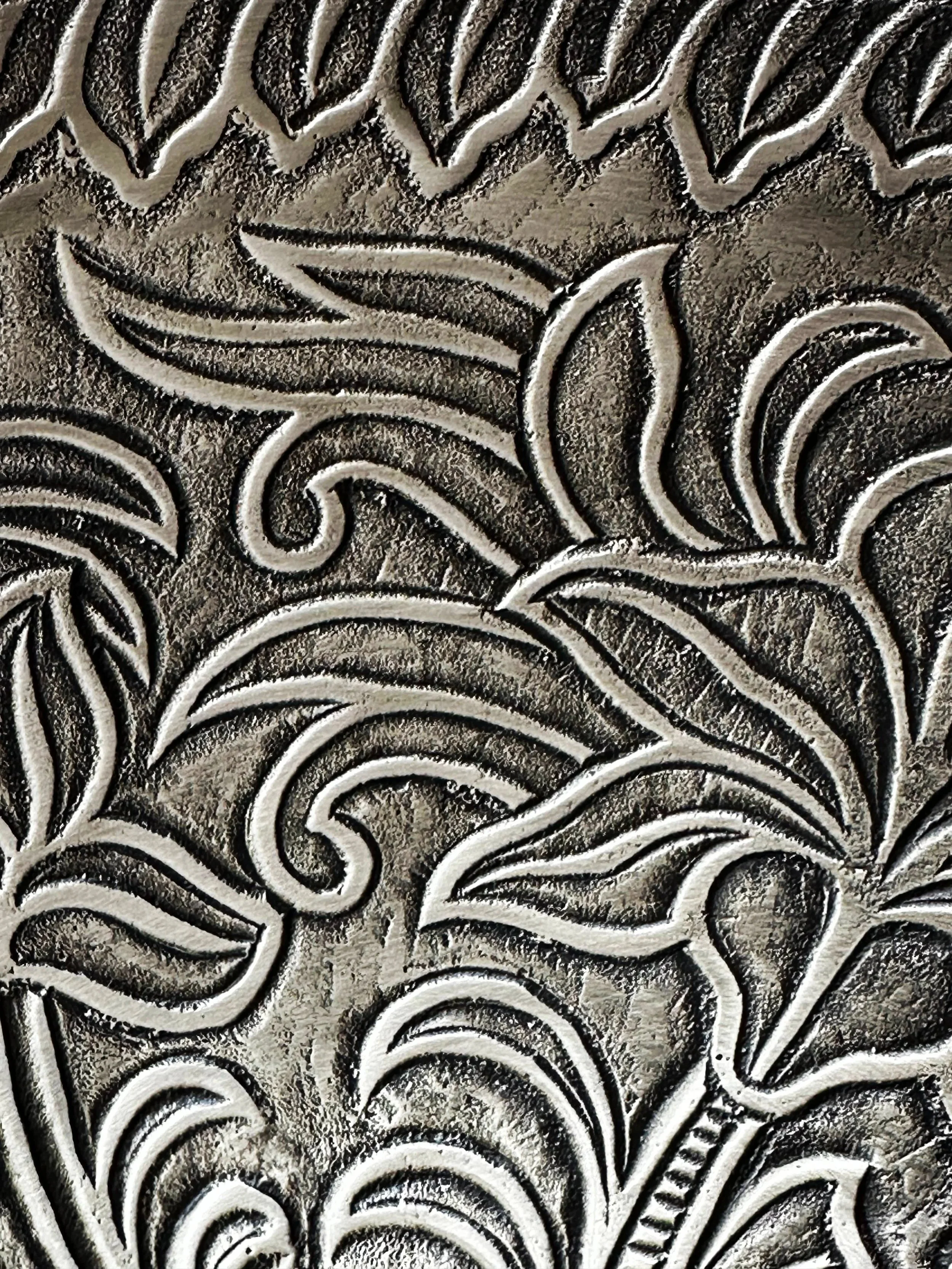
Since every Linkasink cast metal sink is made by hand, each one bears the subtle evidence of its making. The tool marks left behind during the manufacturing process are not imperfections — they are the signature of the craftsman who worked the piece. No two sets of hands move in exactly the same way, and no two pours release from the sand mold in exactly the same condition. The result is that every sink that leaves the foundry is genuinely unique, even when cast from the same mold. What you are seeing in those marks is the record of a human process, not a flaw in a manufactured product.
The living finish
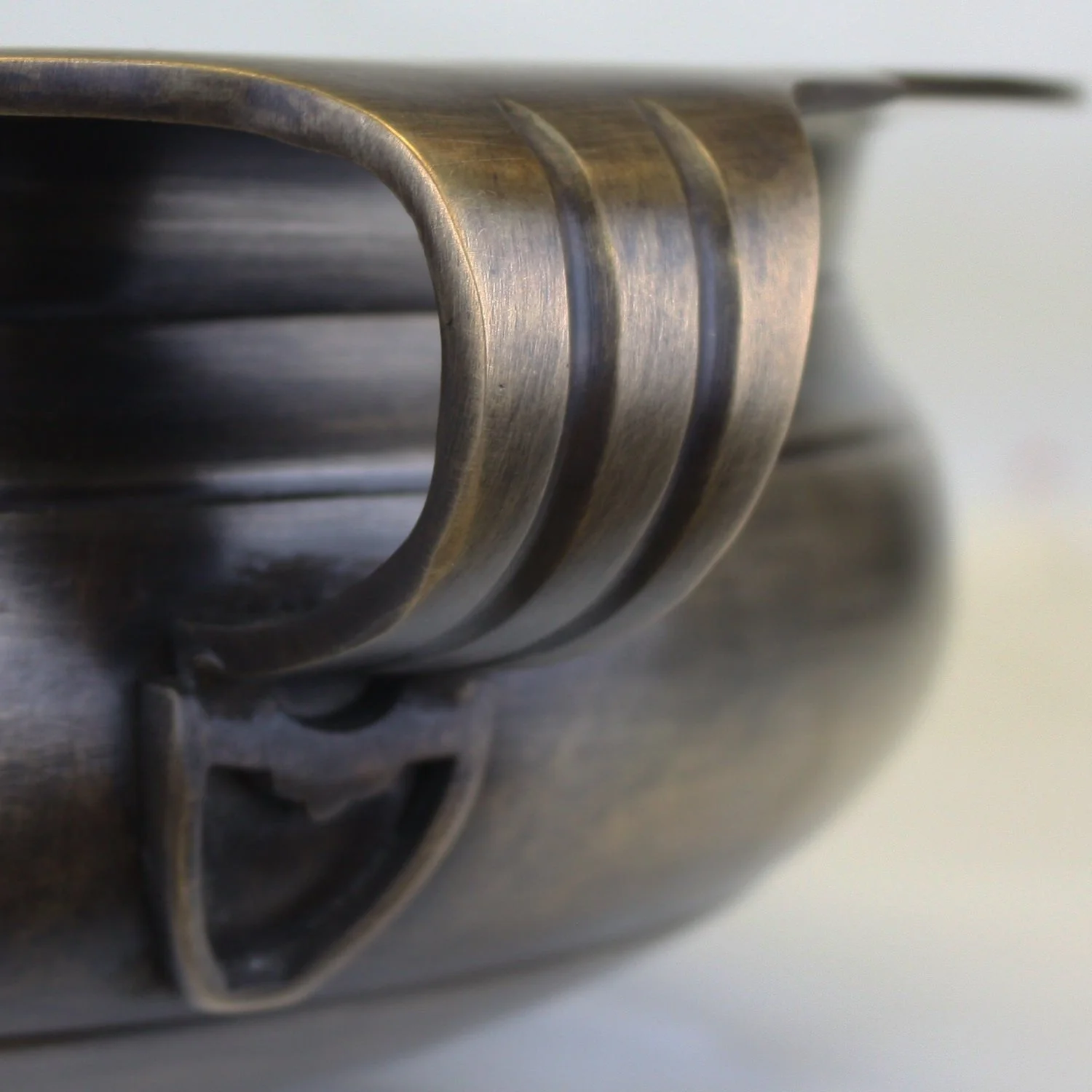
Linkasink bronze and brass finishes are living — the metal is left unsealed so it can continue to react with its environment over time. Temperature, humidity, water chemistry, and everyday use all influence how a finish evolves. Two identical sinks installed in different homes will look noticeably different within a few years, and neither will look the way it did on arrival. This is not something to be corrected. It is the nature of the material, and it is precisely what makes a cast metal sink something that a manufactured fixture can never be.
Caring for your cast metal sink
Bronze is a low-maintenance material, but it rewards a little attention. As a general rule, wipe your sink dry after use when possible, avoid leaving standing water for extended periods, and steer clear of harsh chemical cleaners, abrasive scrubbers, and anything containing bleach or ammonia. A soft cloth and mild dish soap are all you need for everyday cleaning.
Avoid acidic cleaners and citrus-based products — these can strip the patina unevenly and damage the finish. If you prefer to slow the rate of patination, a periodic application of a metal wax or oil can help condition the surface. If uneven patination develops, a bronze-specific cleaner can be used sparingly to restore an even tone before allowing the patina to re-establish naturally.
Frequently Asked Questions
-
For daily cleaning, wipe the sink down with a soft cloth and mild soap. Avoid harsh chemical cleaners, acidic products like vinegar or CLR, and abrasive scrubbers — all of which can damage the surface and accelerate patination in uneven ways. Dry the sink after use to prevent water spot buildup. On an unsealed living finish, periodic application of a metal wax or oil can help condition the surface and slow the rate of change if preferred.
-
Bronze and brass are highly resistant to corrosion by nature — they do not rust in the way that iron or steel does. What you will see over time is patination, which is a natural oxidation process that changes the color and tone of the surface. This is expected, intentional, and considered part of the character of the piece. Cast iron sinks are finished with a protective coating to guard against rust and should be recoated if that surface is scratched or worn through.
-
Cast metal sinks are significantly heavier than ceramic or concrete equivalents. Depending on the size and metal, a sink can weigh anywhere from 30 to over 100 pounds. It is important to confirm that your vanity and countertop can support the weight before ordering. We recommend consulting with your installer or contractor prior to purchase. All drain and faucet hole placements are cast in during production and cannot be modified afterward, so those specifications must be confirmed before the order is placed.
-
A living finish means the metal has been left unsealed — no clear topcoat has been applied. This allows the bronze or brass to continue reacting with its environment, gradually shifting in color and developing a deeper, richer patina over time. The rate and character of this change depends entirely on your specific environment — water chemistry, humidity, and everyday use all play a role. No two sinks will age identically, which is part of what makes each piece unique.
-
You can slow it, but not stop it entirely on an unsealed finish. Keeping the sink dry, applying a metal wax periodically, and avoiding harsh chemicals will all slow the rate of change. If you prefer a finish that holds its appearance, we offer lacquered options that lock the surface at the point of finishing. Lacquered finishes do require recoating over time as the lacquer naturally wears.
-
Indefinitely, with basic care. Bronze and brass are among the most durable materials used in functional objects — there are bronze artifacts thousands of years old that remain structurally intact. A Linkasink cast metal sink, properly installed and reasonably maintained, is a generational piece. The finish will evolve, but the metal itself will not degrade.